

Research Summary
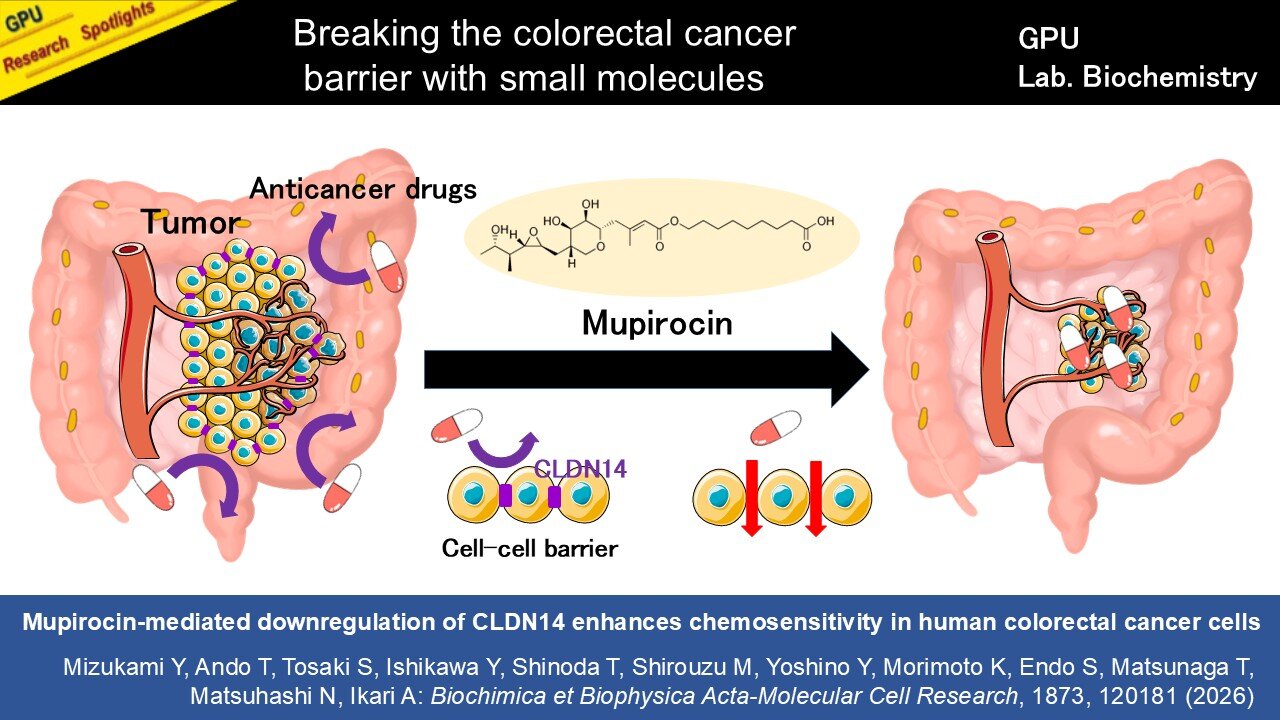
A research group led by Professor Akira Ikari at the Laboratory of Biochemistry, together with Yuko Mizukami (B.S. graduate, 2024), has demonstrated that the antibiotic mupirocin (MUP) reduces the expression of the tight junction protein claudin-14 (CLDN14) in colorectal cancer cells, thereby overcoming chemoresistance. This study was published online in Biochimica et Biophysica Acta - Molecular Cell Research on July 6, 2026.
Principal Collaborators
Professor Yoshinobu Ishikawa, Faculty of Pharmacy, Shonan University of Medical Sciences
Researcher Yudai Shinoda, Center for Integrative Medical Sciences, RIKEN
Associate Professor Satoshi Endo, United Graduate School of Drug Discovery and Medical Information Sciences, Gifu University
Professor Toshiyuki Matsunaga, Laboratory of Bioinformatics, Gifu Pharmaceutical University
Professor Nobuhisa Matsuhashi, Department of Gastroenterological and Pediatric Surgery, Graduate School of Medicine, Gifu University
Background
Previously, we reported that CLDN14, a tight junction protein involved in cell-cell adhesion, is highly expressed in colorectal cancer tissues and contributes to chemoresistance (Journal of Cellular Biochemistry, 2025). In particular, CLDN14 forms an intercellular barrier that restricts the penetration of anticancer drugs into the tumor core, thereby reducing therapeutic efficacy in three-dimensional spheroid models. However, no small-molecule compounds directly targeting CLDN14 had previously been identified.
Research Results
In the present study, we performed a structure-based virtual screening of an FDA-approved drug library to identify compounds capable of binding CLDN14. The screening predicted that MUP, a clinically used antibiotic, binds to the second extracellular loop of CLDN14. This interaction was subsequently confirmed experimentally using quartz crystal microbalance (QCM) analysis (Fig. 1).
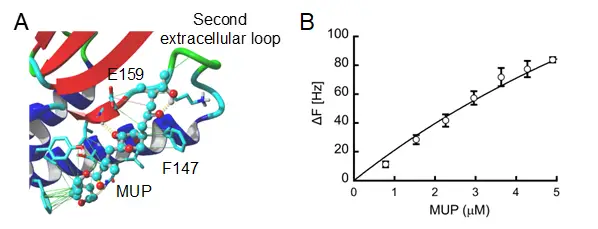
Figure 1. Binding analysis of MUP and CLDN14
(A) Molecular docking model of MUP bound to CLDN14
(B) QCM analysis of the interaction between MUP and CLDN14
The biological effects of MUP were then investigated using the human colorectal cancer cell line DLD-1. MUP did not affect CLDN14 mRNA expression but selectively reduced CLDN14 protein levels (Fig. 2). Further analyses demonstrated that the degradation of CLDN14 was mediated through clathrin-dependent endocytosis followed by lysosomal degradation.
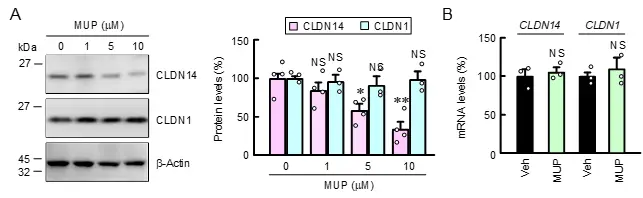
Figure 2. Effects of MUP on CLDN expression
(A) Effects of MUP on CLDN1 and CLDN14 protein expression
(B) Effects of MUP on CLDN1 and CLDN14 mRNA expression
Using three-dimensional colorectal cancer spheroids, we further demonstrated that MUP significantly enhanced the antitumor activities of the cytotoxic anticancer drugs doxorubicin and Oxaliplatin (Fig. 3). MUP increased drug penetration into the spheroids and suppressed the reactive oxygen species (ROS)-mediated oxidative stress response, thereby improving chemoresistance.
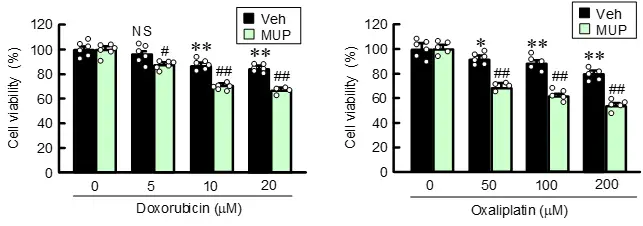
Figure 3. Enhanced chemosensitivity of colorectal cancer spheroids by MUP
Effect of MUP on the efficacy of cytotoxic anticancer drugs.
Significance and Future Perspectives
This study demonstrates that the FDA-approved antibiotic MUP can regulate CLDN14 expression and improve chemoresistance in colorectal cancer cells. Although the poor systemic stability of MUP limits its direct clinical application as an anticancer agent, we are currently identifying its pharmacophore and developing novel derivatives that retain CLDN14-lowering activity while exhibiting improved stability. The development of highly stable and selective CLDN14-targeting compounds is expected to establish a new therapeutic strategy for overcoming chemoresistance in colorectal cancer.
Research Grant
This work was supported by grants from the Japan Society for the Promotion of Science (JSPS KAKENHI; Grant No. 19H03373), Japan Agency for Medical Research and Development (AMED) Translational Research Program, COMIT Collaborative Drug Discovery Seed Program, Futaba Electronics Memorial Foundation, Kieikai Foundation, the Kobayashi Foundation, Koshiyama Science and Technology Foundation, Ogawa Science and Technology Foundation, Takahashi Industrial and Economic Research Foundation, Terumo Life Science Foundation, and Takeda Science Foundation.
Article information
Literature name : Biochimica et Biophysica Acta - Molecular Cell Research
Article title : Mupirocin-mediated downregulation of claudin-14 enhances chemosensitivity in human colorectal cancer cells
Author list : Mizukami Y, Ando T, Tosaki S, Ishikawa Y, Shinoda T, Shirouzu M, Yoshino Y, Morimoto K, Endo S, Matsunaga T, Matsuhashi N, Ikari A
Volume and number: Vol. 1873, Issue 6
Page : 120181
DOI: 10.1016/j.bbamcr.2026.120181
https://www.sciencedirect.com/science/article/abs/pii/S0167488926000790?via%3Dihub
Lab name
Lab of Biochemistry
https://www.gifu-pu.ac.jp/lab/seika/